
Basement insulation in Palm Coast FL - walls that stay dry and don't trap water
Damp, musty or uncomfortable below-grade room? We find the water first, then insulate so moisture doesn't end up stuck inside the wall.
- Licensed and insured.
- Free in-person estimates.
- Replies within 1 business day.
How do you insulate a basement in Palm Coast without trapping moisture?
Basement insulation in Palm Coast is insulation added to the below-grade walls of a basement or a room set into the ground, put up so moisture doesn't get trapped inside the wall and rot it. The schedule usually turns on one thing, whether the walls are taking on water that has to be fixed first.
Basements aren't common around here, so if you've got one, you're probably living with a room that smells musty, feels damp or never gets comfortable. The price moves with how much wall we're covering, whether water has to be stopped before anything goes up, which material suits the wall and whether the room will stay unfinished, and my estimate lays out what I'd do first and why. If your below-grade space is really a crawl space, our crawl space insulation work is the better fit.
How can you tell your basement walls need attention?
Damp or stained walls
Dark patches, a white crust or water lines low on the wall usually mean water is coming through from outside. If we insulate over that, it's hidden but still soaking the wall, so it gets fixed first.
A musty smell downstairs
That smell usually means moisture is sitting somewhere it can't dry out, often behind old insulation or paneling. The longer it sits, the deeper it gets into the wood and the drywall.
Sagging or wet insulation
Batts that slump, feel damp or look stained are holding water against the wall. Leaving them up keeps feeding mold and rot, so they come out before anything new goes in.
How we do basement insulation
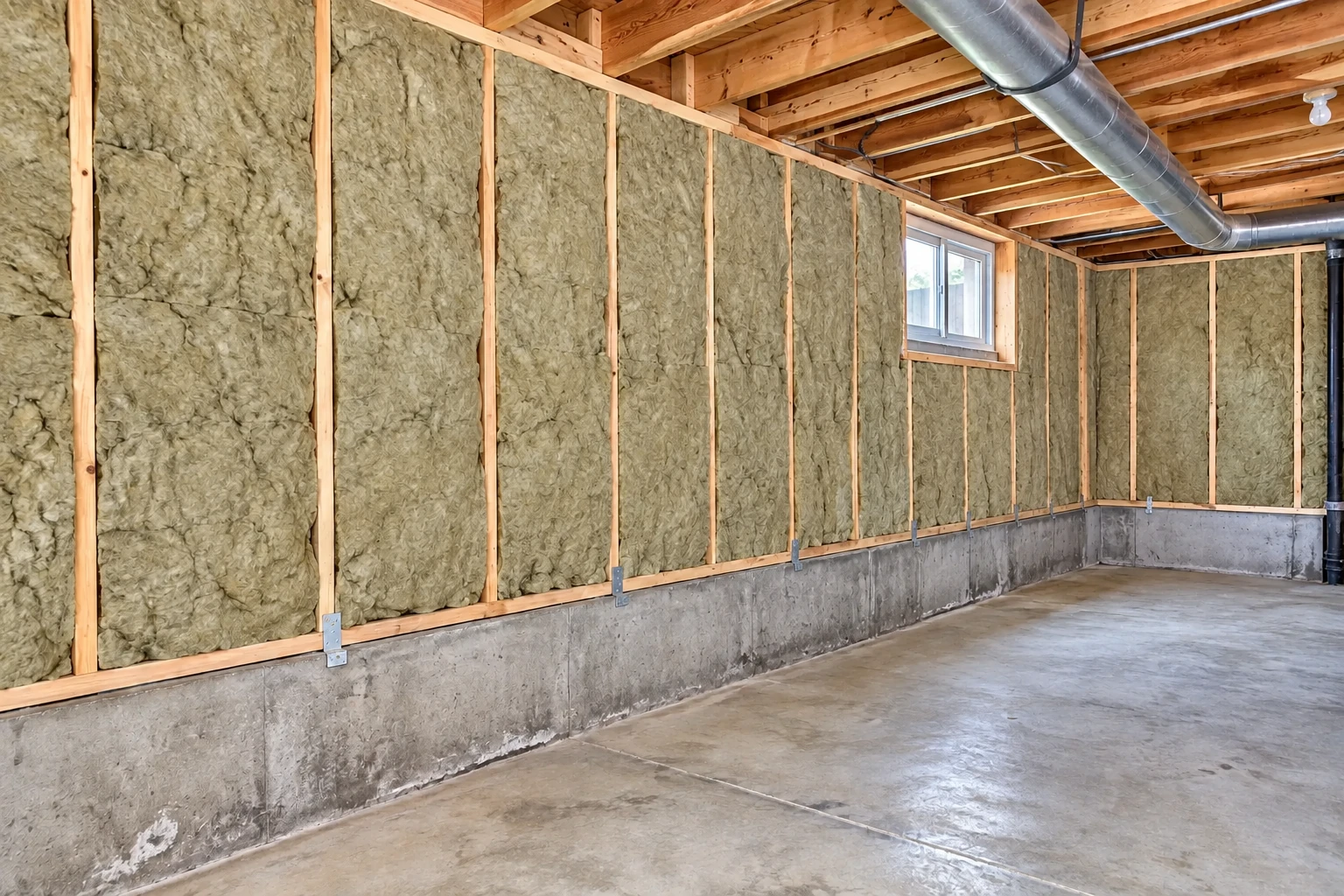
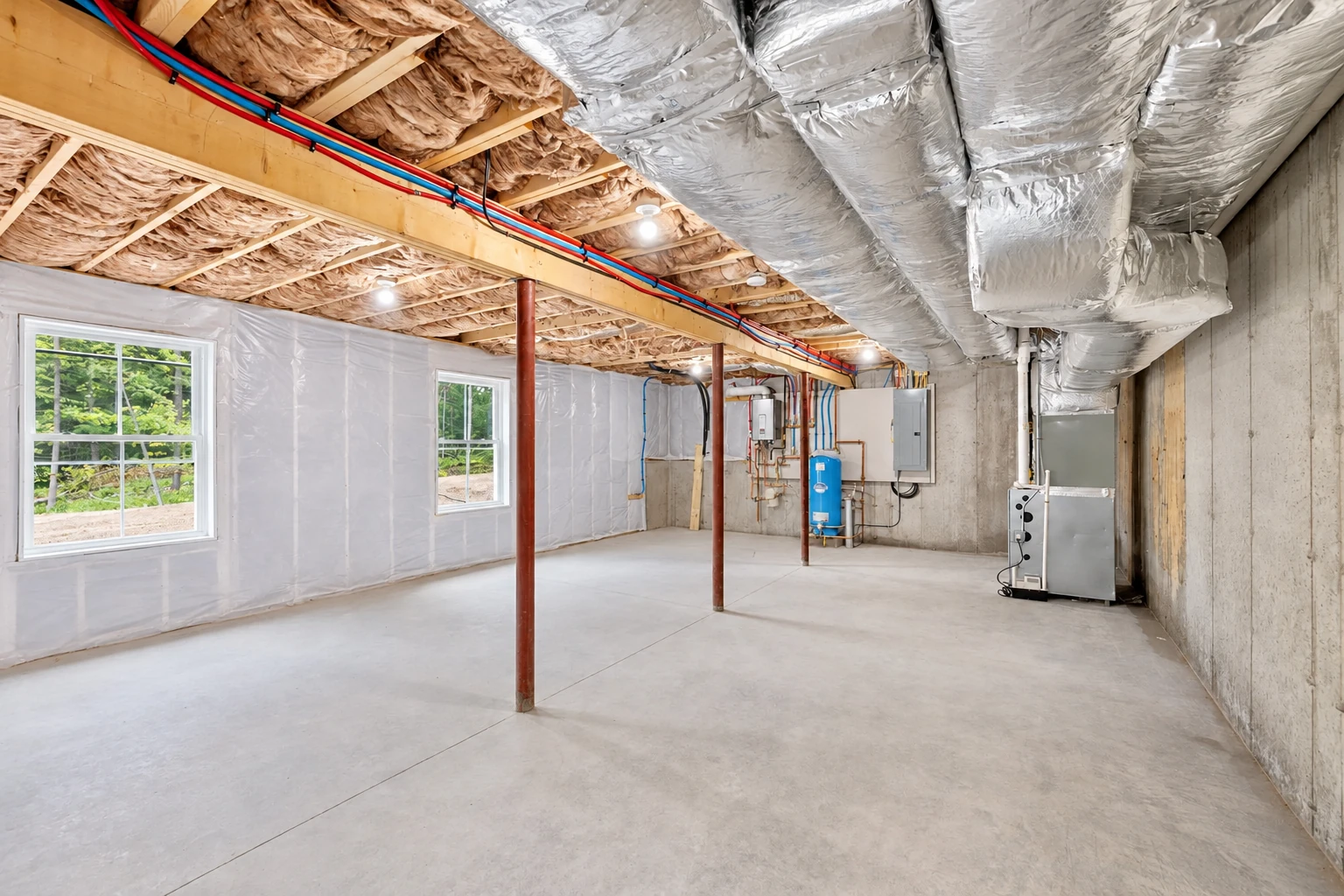
I check your walls for water before anything else, because insulation over a wet wall only hides the problem, and if water's getting in, we deal with that first. Then we seal the gaps where pipes and wires pass through the wall so the insulation isn't fighting a draft. After that we put up the insulation with a moisture layer that won't trap water inside the wall, and if the room is staying unfinished, we plan the product around that from the start.
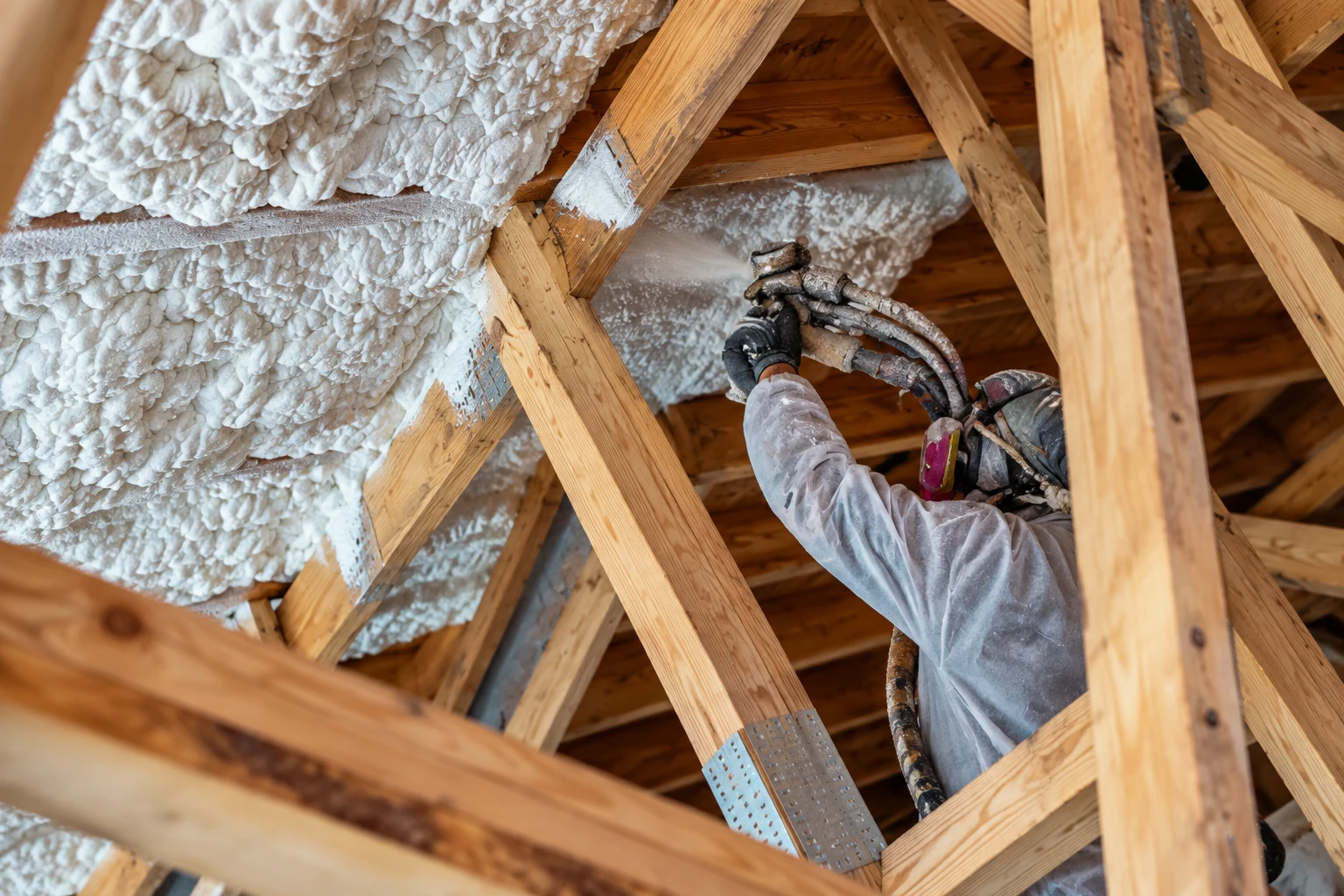
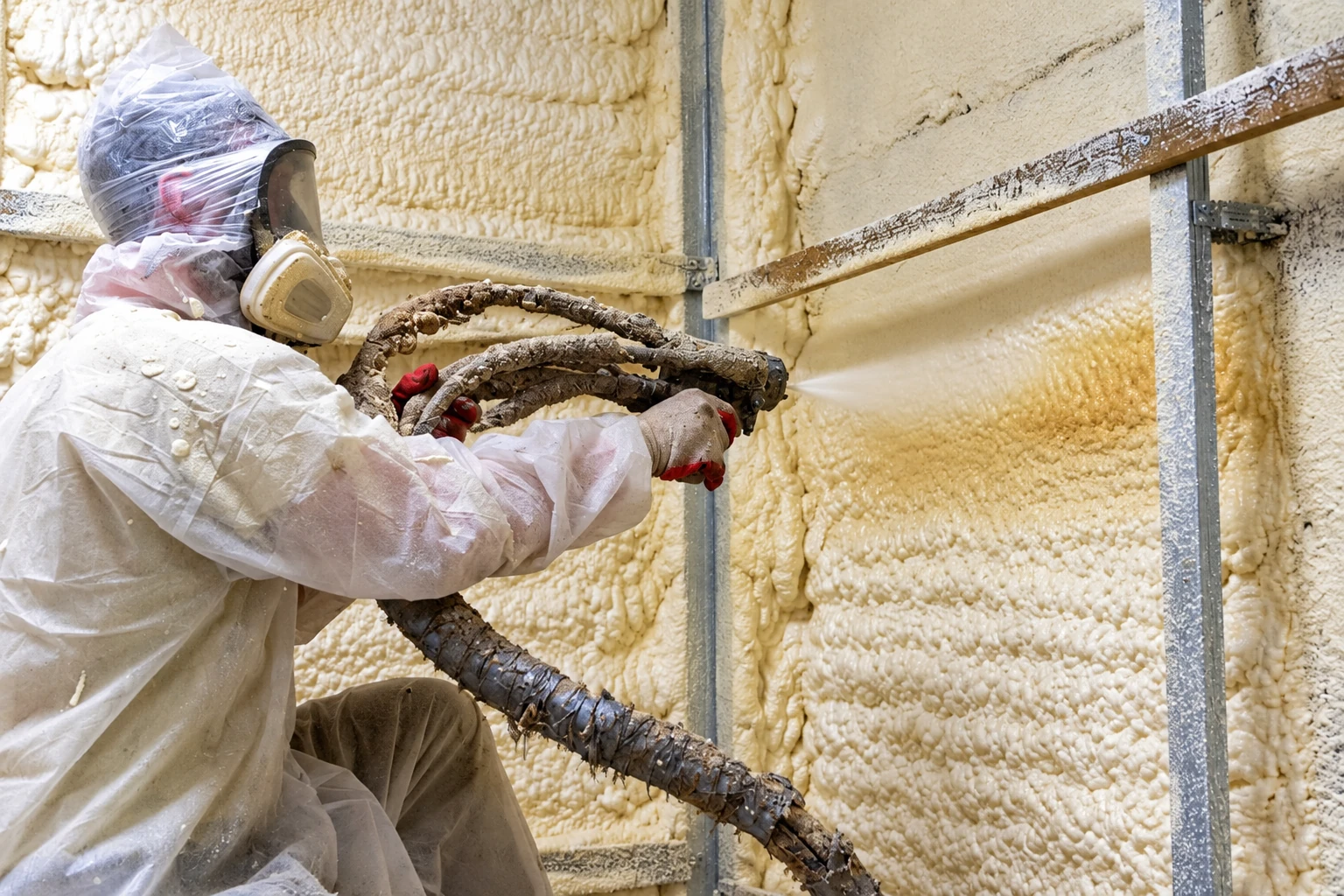
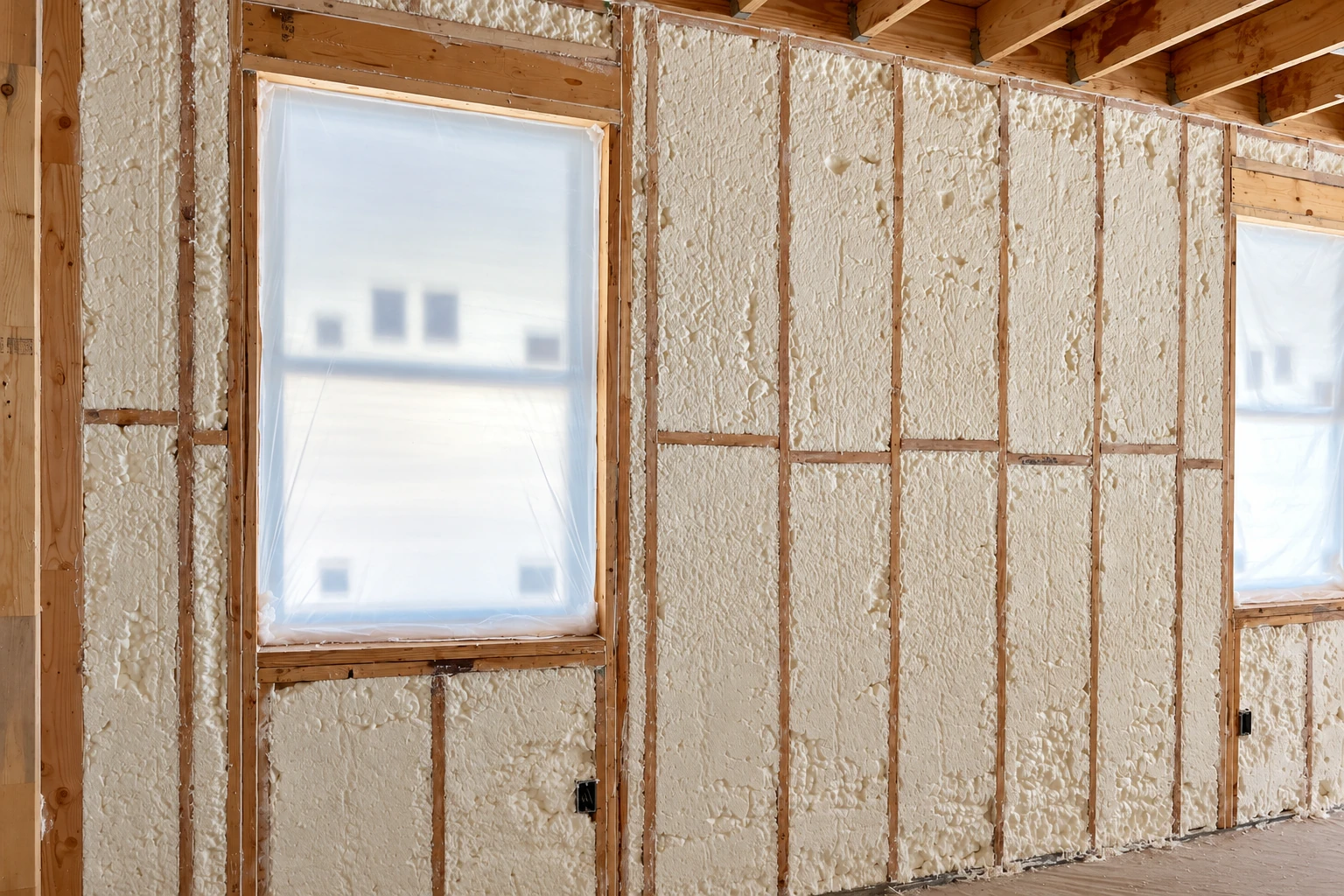
On some below-grade walls, closed-cell foam insulation is the better fit, since the dense foam seals air and blocks moisture in one layer. It costs more than batts, and on a wall that's dry and sealed, batts usually do the job, so I only suggest foam when the wall calls for it. Open-cell foam insulation is softer and lets moisture pass, so it usually belongs above grade rather than against a basement wall.
Batts on a dry, sealed wall
This suits most dry basements and a tighter budget. Once the leaks are sealed, batts with the right facing do the job for less than foam.
Closed-cell foam on the wall
This suits a wall with lots of gaps, odd shapes or framing that's hard to fit batts around. It costs more, but it handles air and moisture in one layer.
Find out what your basement walls need first
Send us a few details and we'll reply within one business day to set up a visit. I come out and look at the walls myself, the estimate is free, and there's no pressure to book.
(386) 359-8197What basement insulation in Palm Coast has to handle
Florida's climate is ideal for mold, and keeping moisture under control is usually what prevents it, so the water check and the moisture layer carry extra weight in a below-grade room here. We see the same damp, cool walls on jobs in Flagler Beach and St. Augustine, and we handle them the same way, water first.
Permits here come from Palm Coast Building Services. The city's permit list names additions, alterations, re-roofs and some repairs but not basement insulation, so it doesn't settle whether your job needs one. When it isn't clear, we ask the building office before we start, and if a permit is needed, we pull it as the licensed contractor and set up the inspections. The city also requires contractors and subcontractors to be registered with its building department, which is worth asking any installer about.
What happens when you call about basement insulation in Palm Coast?
Call or send us a note
Tell us what you're seeing on the walls and whether the room is finished. We get back to you and set a time for me to come out.
I check the walls
I look for water, old insulation and gaps, then give you a plain estimate that says what I'd do first and why. If water needs fixing before insulation, the estimate puts that up front so you can budget for it.
Permits, then the install
If the job needs a permit, we take care of it and set up the inspections. Then our own installers fix what comes first and put up the insulation.
We walk through it together
When the work is done, I go over it with you. We clean up and leave the room safe to use.
Frequently asked questions
How much does basement insulation cost in Palm Coast?
The biggest swing in price is whether your walls need a water fix first, because a damp basement means planning and budgeting for that repair as the first part of the job. After that, it comes down to how much wall there is, batts or foam, and whether an unfinished room needs a fire-rated product. I put each piece in the estimate so you can see what every choice does to the number.
How do I get my basement ready for insulation?
Find and fix any water coming through the walls first, because federal building guidance says that has to happen before insulation goes in. The same guidance says to send bulk water, like downspout runoff, away from the foundation walls. We look for both on the visit and tell you what has to be fixed before we can start.
What is the best way to insulate basement walls without trapping moisture?
Skip plastic sheeting or foil facings over fiberglass on a basement wall, since federal guidance says they can trap moisture, and use kraft-faced batts or latex paint on drywall instead. Water stuck in the wall can ruin the insulation over time and lead to mold, odors and rotting framing. Ask any installer which moisture layer they plan before you hire them.
Do I need fire-rated insulation in an unfinished basement?
Plan on it, because installer guidance calls for fire-rated material when basement insulation is left exposed. If the room's going to stay unfinished, tell us at the estimate so we price a fire-rated product from the start instead of swapping later.
Can I pull the permit myself for basement insulation in Palm Coast?
You can if you're the legal property owner, since the city takes permit applications from a licensed contractor or the owner. As an owner/builder, the work has to be for your own use and occupancy, not for sale or lease. If we're doing the job and it needs a permit, we pull it.
Is outside foam insulation on a basement wall a termite risk in Florida?
It can be, because older federal guidance says foam on the outside of a basement wall that touches the ground gives termites a hidden path into the walls. That guidance leaves it to local code officials to say whether the foam is accepted, so check with the city's building office before planning it.
Palm Coast, FL
Get your basement walls checked first
Jot down where you've seen water on the walls and whether the room will stay unfinished, so the first visit covers everything.