
Closed-cell foam insulation in Palm Coast FL - more insulation in less depth
Rooms that won't cool and no room for thick insulation? We spray dense foam that seals, insulates and holds back moisture in one layer.
- Licensed and insured.
- Free in-person estimates.
- Replies within 1 business day.
When is closed-cell spray foam worth it in a Palm Coast house?
Closed-cell foam insulation is a dense spray foam we put on walls, roof decks and tight spots in Palm Coast homes, and one layer insulates, seals air leaks and holds back moisture.
Most people who call me have a room that won't cool down, usually upstairs or over the garage, or they're opening walls in an older house they just bought. Foam costs more than other insulation, so if your ducts aren't in the attic, sealing the attic gaps and topping up the blown-in, which is loose fill blown through a hose, usually does more for the money, and I'll tell you so. The price moves with how much surface we spray, how thick it has to go and whether old insulation or leaks need dealing with first. The schedule turns on that prep, on weather that suits the foam, and on a day you can be out of the house. The estimate I write tells you what I'd do first and why.
How do you know closed-cell foam is the right fix?
Ducts baking in the attic
If your air handler and ducts sit in an attic that gets as hot as an oven, the rooms at the end of the run never cool and the power bill keeps climbing. Every summer you wait, you're paying to cool air before it even reaches the room, and that's where foam under the roof deck usually earns its price.
No room for thick insulation
Knee walls, low roof edges, shallow wall cavities and the floor over the garage often can't hold enough batts or blown-in to do much. A thin layer there leaves the room hot all summer, so it ends up being the room nobody uses.
Musty smell or damp wood
A musty attic, dark stains on the roof deck or sweating ducts usually mean humid air is finding cool surfaces, or a leak is getting in. Left alone, that moisture works into the framing, so we find the source before anything gets sprayed.
How we install closed-cell foam insulation
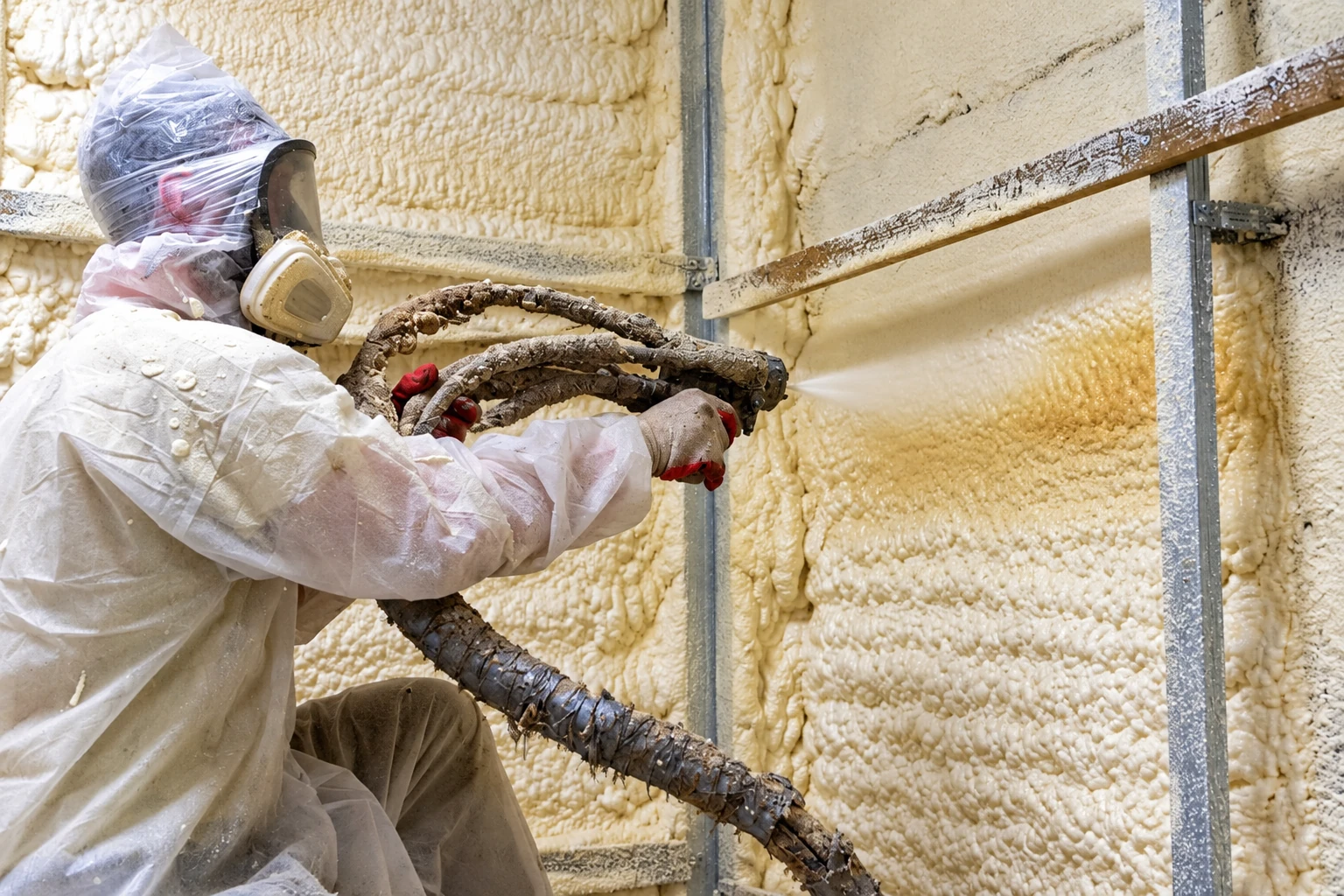
I start by checking the house, because foam sprayed over a leak or wet wood just seals the problem in. We look at the roof deck and framing for leak stains, check the moisture in the wood and clear out anything that shouldn't stay under the foam, like old insulation full of droppings. On spray day we wait for the temperature and weather the foam maker calls for, cover everything we're not spraying, then build the foam up in passes to the thickness that spot needs. Once it's cured, we air the house out and clean up.
Closed-cell isn't the answer everywhere. Where a space has the depth and mostly needs the air stopped, open-cell foam insulation does that for less, and plenty of houses get some of each. Owners of shops, offices and small buildings can look at our commercial insulation work, since metal roofs and block walls are often where closed-cell fits best.
Walls in an addition or remodel
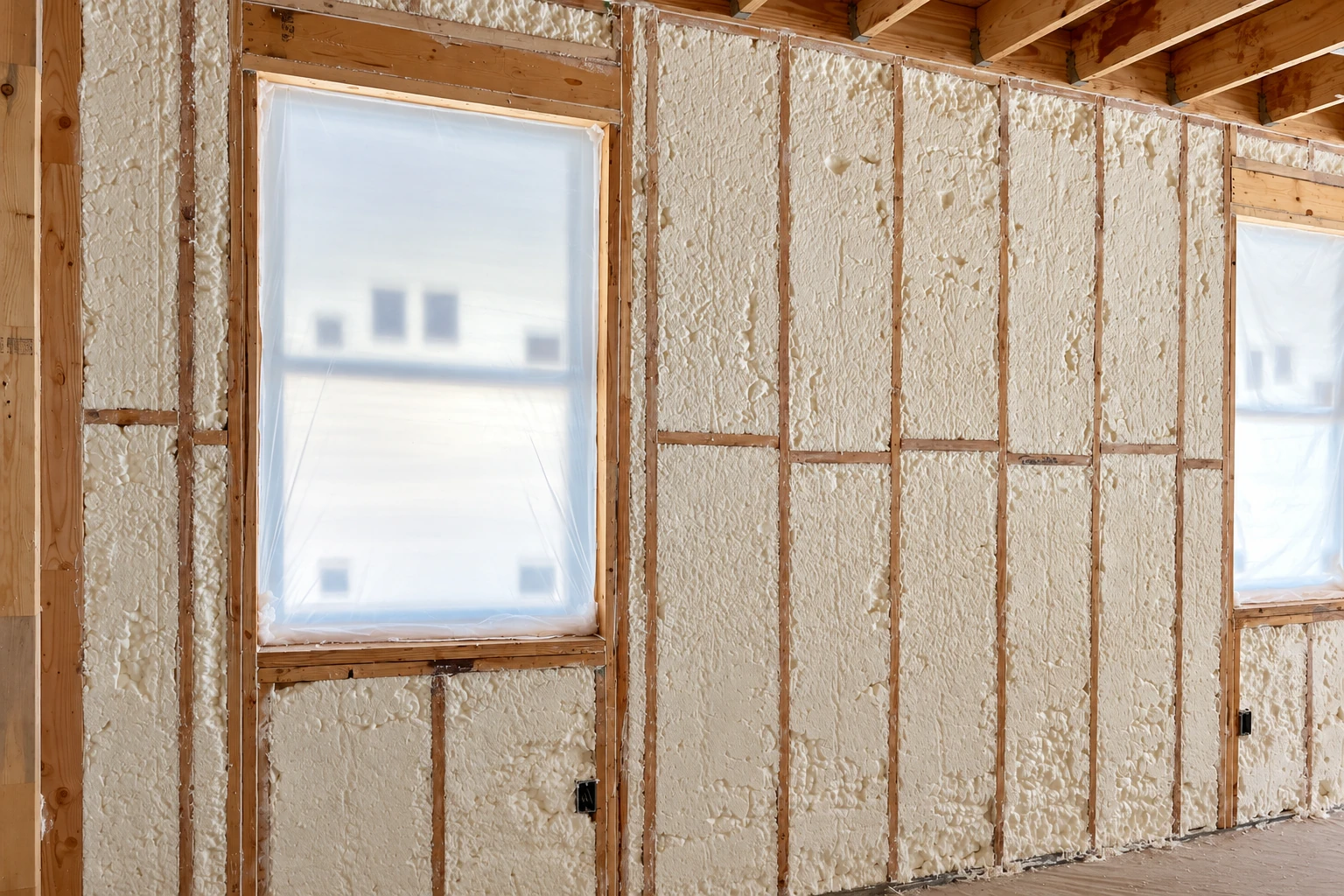
When the studs are open, closed-cell packs the most insulation into a shallow cavity and seals it at the same time. It's the time to do it, because once the drywall goes up, that chance is gone.
Under the roof deck over ductwork
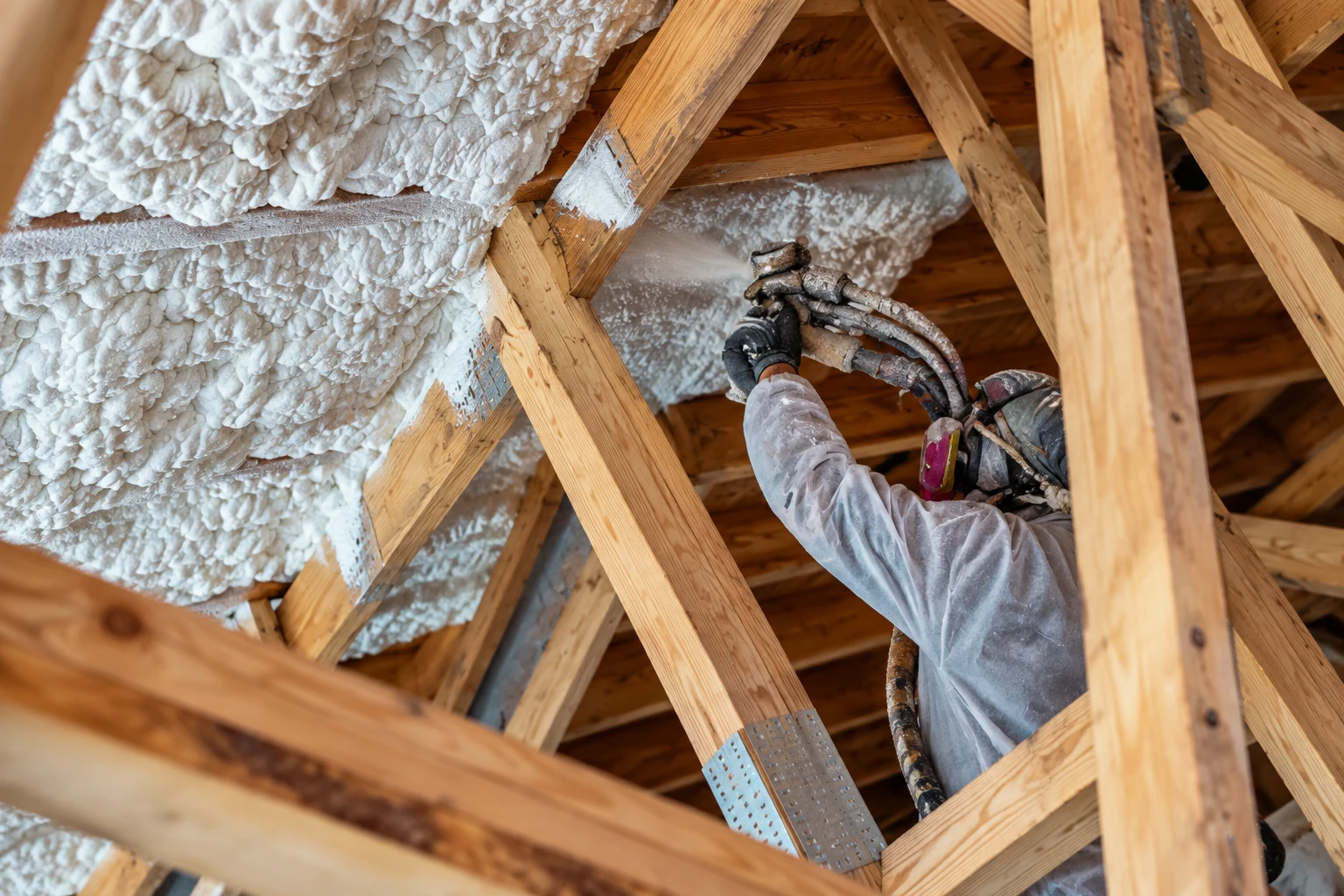
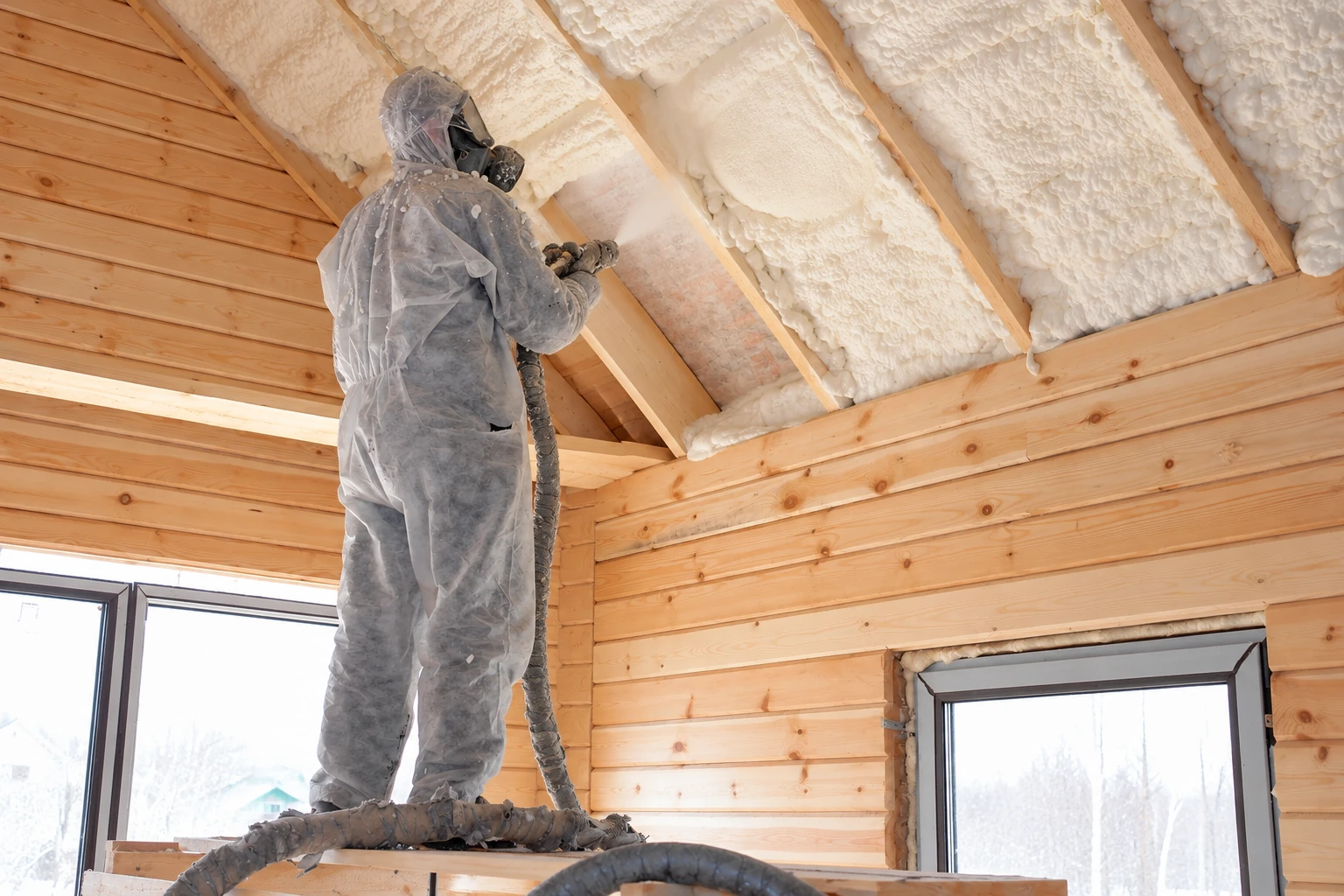
If your ducts and air handler live in the attic, spraying the underside of the roof brings them inside the cooled part of the house. That turns the attic from an oven into a space that stays close to the rest of the house.
Tight spots and the room over the garage
Low roof edges, knee walls and floors over the garage rarely have room for deep loose fill. Closed-cell gets those spots insulated and sealed in the few inches they have.
Find out where closed-cell foam pays off in your house
Tell us which rooms or spaces are giving you trouble and we'll reply within one business day to set a time. I come out, look at the attic, walls or roof deck, and give you a free estimate that says what I'd do first and why. There's no pressure to book.
(386) 359-8197What changes a closed-cell foam insulation job in Palm Coast
The city's building official issues permits for building work and repairs, and the list it gives names electrical, gas, mechanical and plumbing work but not foam insulation, so that list doesn't settle whether your job needs one. When it isn't clear, we ask the city's Building Services before we start, and you can call them yourself at (386) 986-3780. If your job does need a permit, we pull it as the licensed contractor and set up the inspections.
What we see most here is block homes with the ductwork up in a hot attic, rooms over garages that never cool, and humid summers that keep roof decks damp after a storm. That humidity is the reason for the wood check, and an afternoon storm can push spray day back. We're based in Palm Coast and work north toward St. Augustine, south toward Ormond Beach and west out to Palatka, and we find the same hot attics on jobs in Flagler Beach.
What happens after you call about closed-cell foam in Palm Coast?
Call or send us a note
Call (386) 359-8197 or use the form and tell us which rooms or spaces are the problem. We get back to you to set a time.
I come out and look
I look at the attic, walls or roof deck, check the wood and see where the ducts run. You get a plain estimate that says what I'd do first and why, so you know what you're paying for before anything starts.
We handle permits and plan
If the job needs a permit, we take care of it, then we pick a spray day with weather that suits the foam. We'll tell you when the household needs to be out and when you can come back.
Installers spray, then I check
Our own installers do the work. Once the foam has cured and the house is aired out, I go over it with you.
Frequently asked questions
What is the best way to choose between closed-cell and open-cell foam?
Choose closed-cell when a space is shallow or needs to stop moisture, and open-cell when it mostly needs to stop air and there's room for depth. Typical closed-cell foam gives about R-6 per inch, R-value being how well insulation slows heat, while open-cell gives about 3.6 per inch and blocks air but not moisture vapor. That gap is why closed-cell is worth its higher price in a thin wall or a low roof edge.
Does closed-cell spray foam help a house in a hurricane?
It can, in two ways. Federal building guidance says closed-cell foam in the stud cavities of a frame wall makes that wall a lot stronger against racking, the push that shoves a wall out of square, and counts that as a plus in hurricane country. The same guidance says sealed attics with foam under the roof deck hold up better in hurricanes than vented ones, mainly because the soffits are built sturdier, and on the coast vented soffits let in wind-driven rain and have been known to collapse in high winds.
How long do we have to stay out of the house after spray foam?
Usually about a day, depending on the foam. EPA guidance is that everyone living in the house leaves while we spray and comes back only after the foam has cured and the house has been aired out and cleaned, and we'd keep the pets out the same stretch. Some foam makers recommend 24 hours before you return, though it varies, so I'll give you the re-entry time, meaning when it's safe to come back, for the foam we're using.
How much does closed-cell foam insulation cost in Palm Coast?
There's no flat price, because closed-cell is priced by the surface we spray and how thick it goes, and it costs more than open-cell or blown-in for the same area. What adds to it is old insulation that has to come out first, a covering the foam or the code calls for, and hard-to-reach spots like low roof edges. Your own number comes from the estimate after I've seen the space.
Does closed-cell foam stop moisture in a Florida attic?
At its usual thickness closed-cell foam acts as a vapor retarder and lets almost no moisture vapor through, so one layer insulates and holds back damp air. It's also rigid and hard to crush, unlike softer foams. What it won't do is dry out wood that's already wet, which is why we check first.
Does spray foam insulation have to be covered after it's installed?
Sometimes. Federal guidance says to cover spray foam with a thermal or ignition barrier, a fire-resistant layer such as a coating or drywall, where the foam or the building code requires it, and not every spray foam does. Whether yours needs one depends on the product and where it's going, and it's one of the things I look at when I write the estimate.
Palm Coast, FL
Schedule your closed-cell foam estimate
Tell us which areas you want insulated and whether the roof has ever leaked, because a leak needs fixing before foam goes under the deck.