
Home insulation in Palm Coast FL - upstairs rooms that cool down and stay cool
Hot bedrooms upstairs and a power bill that keeps climbing? We check the attic first, seal the leaks, then add the insulation your house needs.
- Licensed and insured.
- Free in-person estimates.
- Replies within 1 business day.
Does your Palm Coast house need more insulation, or something else first?
Home insulation in Palm Coast, FL is a layer in the attic, walls or crawl space that slows the sun's heat on its way into your house, so the AC can keep the rooms cool without running all afternoon.
Most calls we get start with a room that won't cool down, often the one over the garage, or with someone who just bought an older house and wants to know what's up in the attic. Quality Palm Coast Insulation Services is based in Palm Coast, and we work in the cities around it, north toward St. Augustine, south toward Ormond Beach and west out to Palatka. Your price moves with the size of the area, how much old material has to come out, how many leaks need sealing and whether loose fill or foam is the right fit, and the schedule turns mostly on removal and on whether the job needs a permit. I'd rather find a wet roof deck or a gap around the hatch before we start, because insulation laid over a problem is money wasted, which is why attic air sealing comes first on most of our jobs. The estimate I write on site gives you your own figure and tells you what I'd do first and why.
How can you tell your house needs better insulation?
Hot rooms upstairs
If the bedrooms upstairs or the room over the garage stay warm long after the rest of the house has cooled, the attic above them is usually thin, leaky or both. Waiting means the AC runs hard every summer afternoon, and that wear shows up on the power bill and on the equipment.
You can see the joists
When you pop the attic hatch and see the tops of the ceiling joists, or the insulation looks packed flat, stained or full of droppings, there isn't much left doing the job. Left alone, wet or dirty material can hold moisture against the framing, and it all has to come out before anything new goes in.
A power bill that keeps climbing
A bill that creeps up year after year while your habits stay the same usually means cool air is slipping out through gaps around can lights, pipes and the hatch. Every month you wait, you're paying to cool the attic along with the house.
How we do home insulation, in the order that matters
I start by looking at the whole picture, the attic, the crawl space and the walls if they're part of the problem, and I measure how many inches are already up there. If the old insulation is wet or full of droppings, it comes out first, and if the framing shows moisture we find out why before anything new goes in. Next our crew seals the gaps around can lights, pipes, wiring and the hatch, because insulation laid over a draft just has air pushed through it. Then we add insulation, keeping the eave vents open so the attic can still breathe and building the edges as deep as the middle, since thin edges are where most attics fall short. Not every house gets the same fix, though. If your air handler and ducts sit in the attic, I'll talk with you about insulating under the roof instead of on the attic floor, so that equipment ends up inside the cooled part of the house. Foam costs more and seals air while it insulates, so when the ducts aren't up there, sealing the gaps and topping up loose fill is usually the better buy.
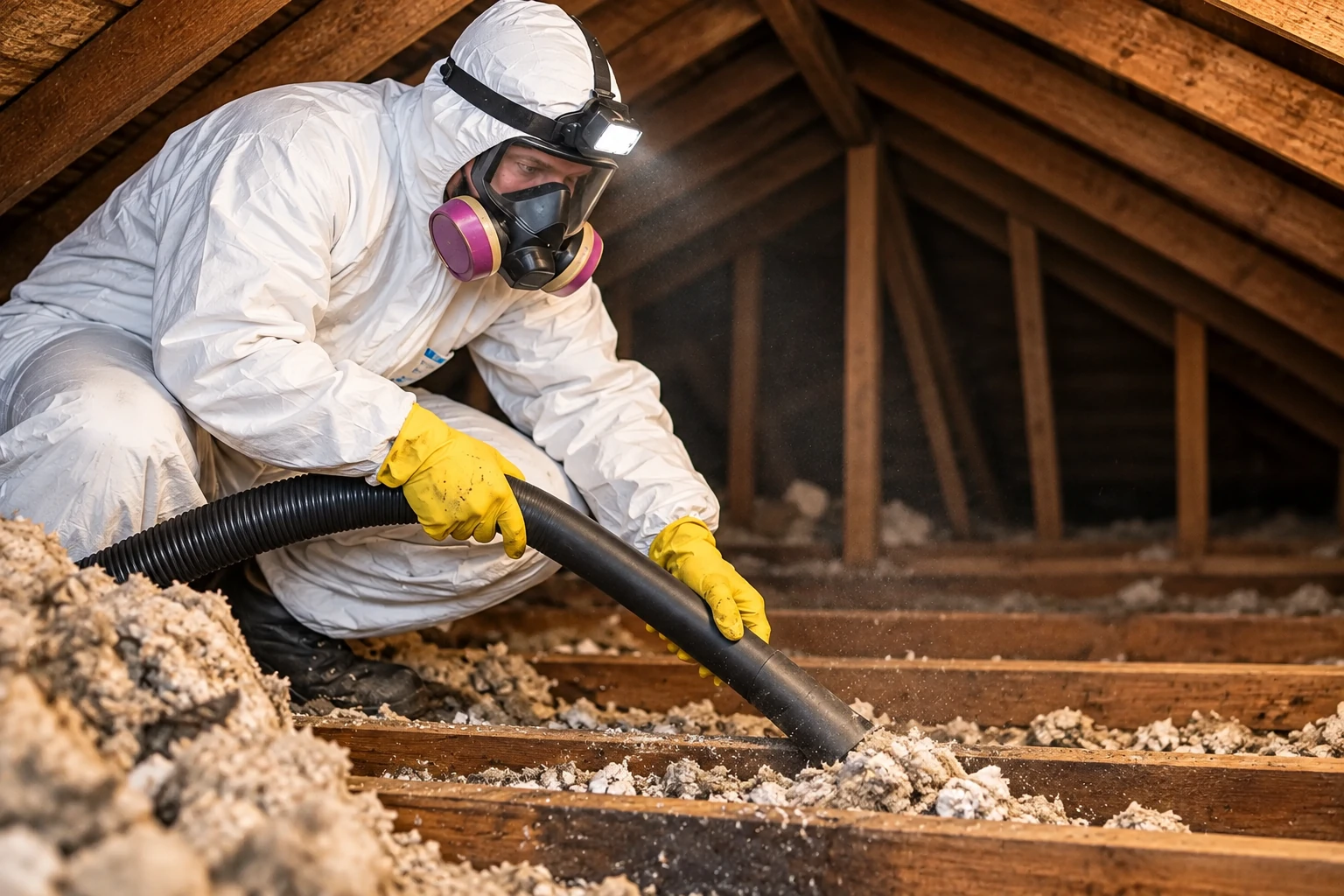
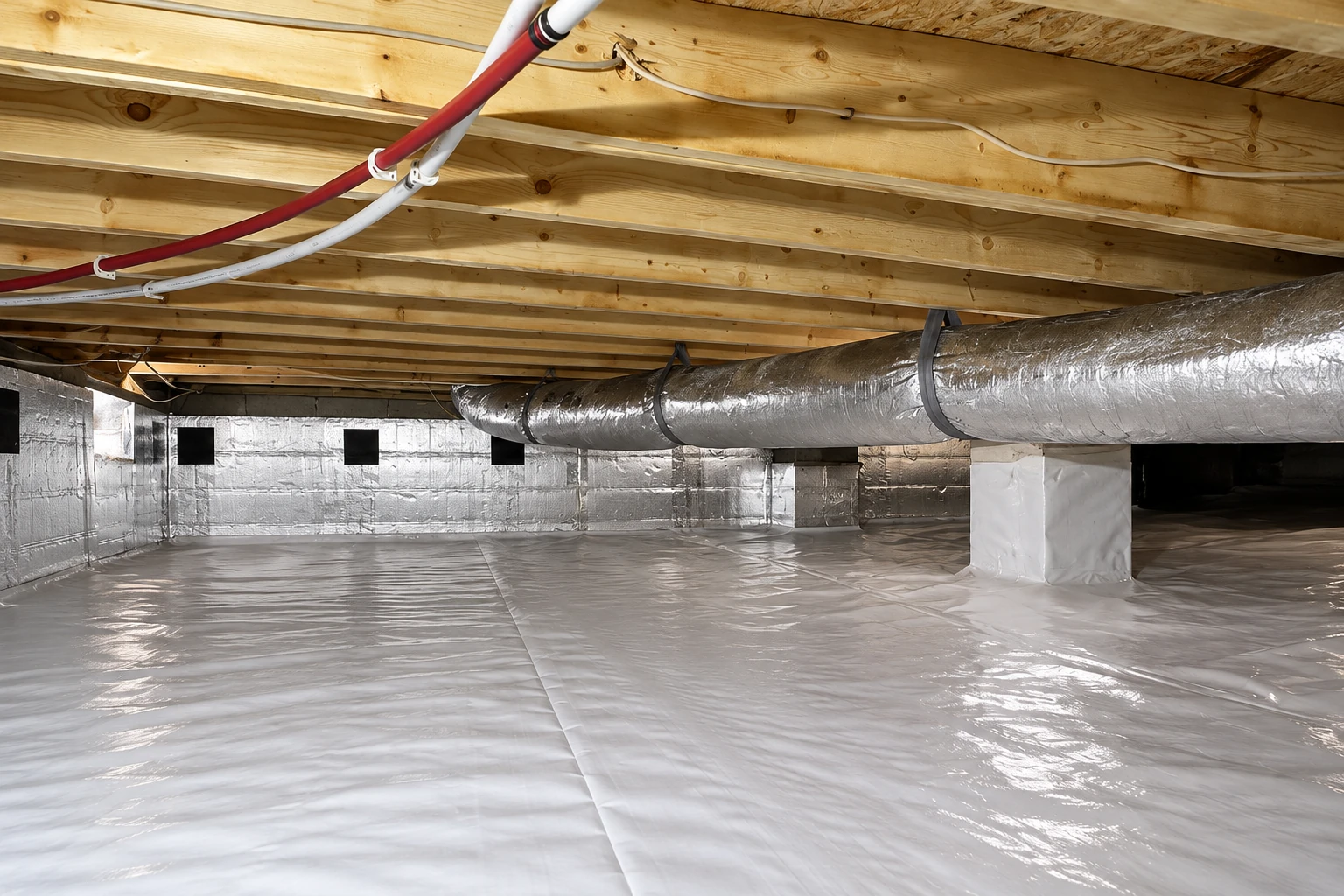
Some jobs need more than the attic. If what's up there is soaked, moldy or full of droppings, insulation removal clears it out so the new material starts clean. If your house sits over a crawl space and the floors feel cold on winter mornings, crawl space insulation takes care of that side of the house.
Air sealing and blown-in on the attic floor
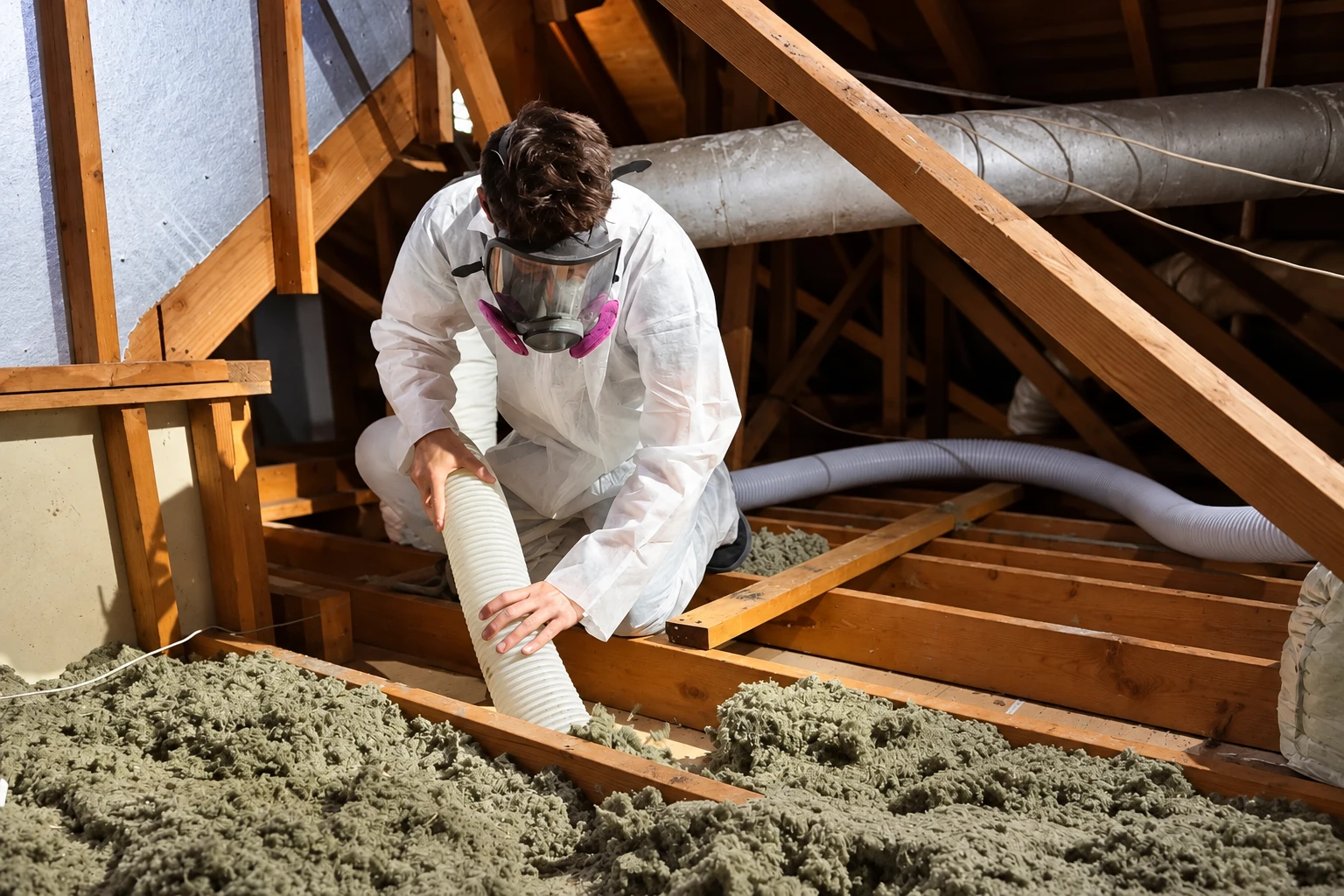
This suits most houses where the AC equipment lives in a closet or the garage, not up in the attic. We seal the leaks, then add blown-in insulation, loose fill blown through a hose, until the coverage is even from the eaves to the middle.
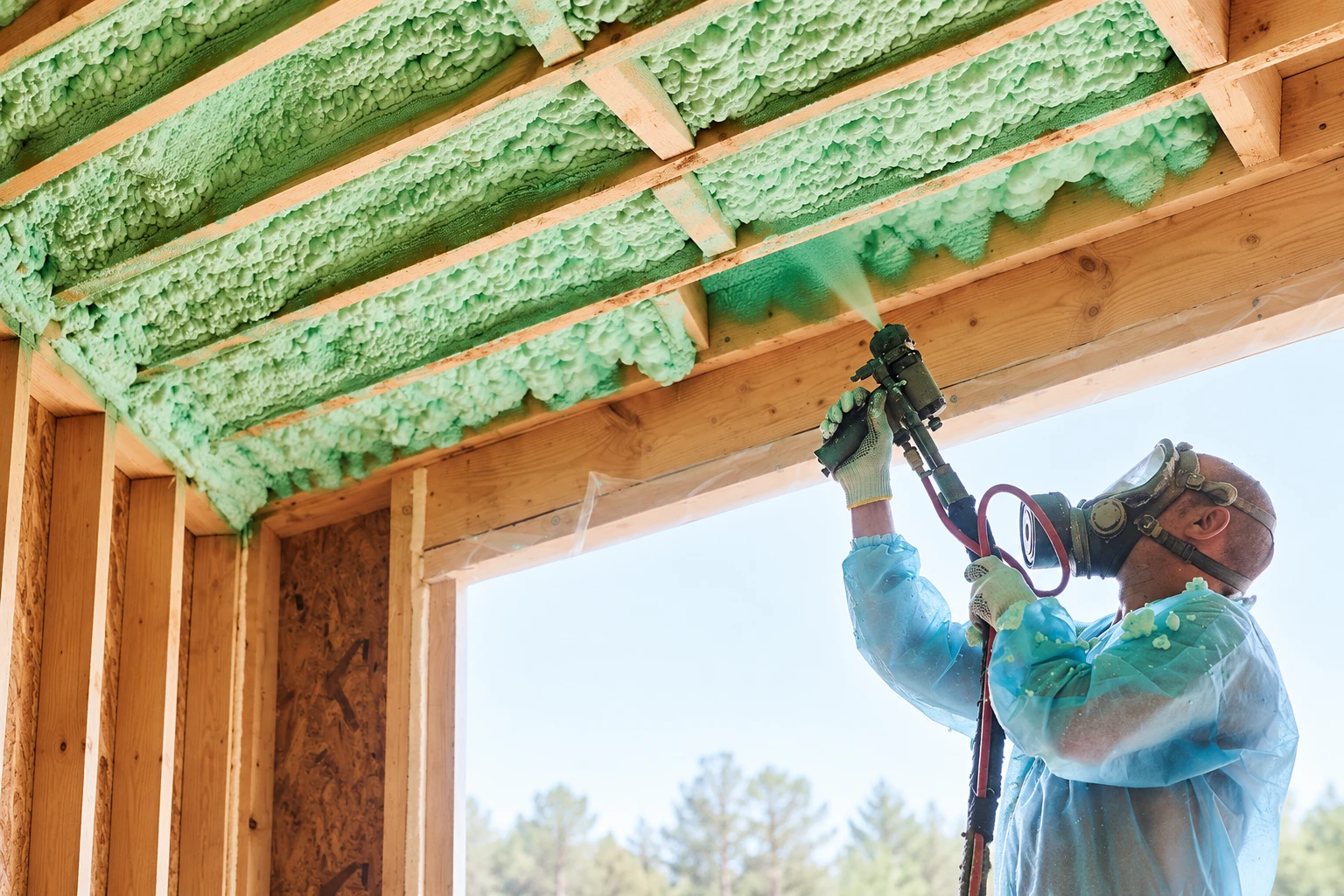
Spray foam under the roof deck
This suits houses with the air handler and ducts up in the attic, because it brings them inside the insulated part of the house. It costs more than loose fill, and the type of foam matters, which I cover in the questions below.
Find out what your house needs, and in what order
Send the form and we'll get back to you within one business day to set a time. I come out, look at the attic and anything else that matters, and leave you a free estimate. There's no pressure to book.
(386) 359-8197Home insulation in Palm Coast and the city's permit rules
The city's own list doesn't settle whether an insulation job in Palm Coast needs a permit. The building official issues permits for building, altering or repairing a building, and that list names additions, re-roofs and some repairs but not insulation, so the answer can depend on what your job includes. When a job does need one, we pull it as the licensed contractor and set up the inspections, and when it isn't clear, we ask the city's building department before we start. If insulating under the roof means changes to the AC or its wiring, keep in mind that the city's permit application says electrical work, plumbing, heaters and air conditioners each need a separate permit.
A lot of the houses we work on here have the AC equipment and ducts up in the attic, and plenty of the older ones still carry whatever went in when they were built, settled down to a thin layer. We see the same attics on jobs in Ormond Beach and Flagler Beach, and we handle them the same way, checking first and sealing before we insulate.
What happens after you call us about home insulation in Palm Coast
Call or send us a note
Call (386) 359-8197 or use the form, and we'll get back to you to set a time for me to come out. Tell us which rooms run hot, since that points me to where to look first.
I look and write the estimate
I go up in the attic, check the crawl space or walls if they're part of it, and measure what's already there. The estimate is plain about what I'd do first and why, so you can see what moves the price before you decide anything.
We handle permits and install
If the job needs a permit, we pull it and set up the inspections, then our installers seal the leaks and add the insulation. With loose fill you can usually stay home, and with spray foam I'll tell you the re-entry time, when you and the pets can come back in, before we start.
I go over the work
When our installers finish, I go over the work with you, up in the attic too if you want to see it. We clean up before we leave, so the house is clean and safe to live in when we pack up.
Frequently asked questions
How do I know if my attic needs more insulation?
If the insulation in your attic measures less than 6 to 7 inches thick, your house could benefit from more. Check in a few spots away from the hatch, since the edges near the eaves are often the thinnest. I measure it at the estimate too, and check for anything that should be fixed first.
Should I insulate the attic floor or under the roof in Florida?
Insulating under the roof deck suits houses with heating and cooling equipment in the attic, or with lots of ceiling lights, vents and speakers that are hard to seal, while other houses can keep insulation on the attic floor with the attic still vented. A sealed attic under the roof still needs a way to get rid of moisture, so ask any contractor how yours will stay dry. I'll walk you through that at the estimate.
How much does home insulation cost in Florida?
Home insulation in Florida usually costs about $1.20 to $6.50 per square foot installed, and that's a statewide range, not our price. The low end usually means loose fill added over a clean, sealed attic, and the high end means foam or a job that starts with removal. Your own figure comes from the estimate, after I've seen the attic.
Is closed-cell or open-cell spray foam better under a roof deck?
Closed-cell foam works as insulation and also limits moisture moving through it, while open-cell foam lets moisture through, so under a roof deck the foam type decides whether the insulation also handles moisture. Some spray foams need a covering such as a coating or drywall to protect them from fire, depending on the foam and the code, though not all do.
Who can apply for a building permit in Palm Coast?
In Palm Coast, the applicant has to be a licensed contractor or the legal owner of the property. An owner can apply as owner/builder only for a building they'll use and live in themselves, not one they're selling or renting out. On our jobs, we're the ones who apply.
What causes AC ducts to sweat in the attic?
In hot, humid climates, cold air-conditioning ducts in the attic can collect condensation in summer and drip, which is called duct sweating and can lead to mold and rot on the attic floor. Radiant barriers and cool roofs can raise that risk too. If I see wet spots under your ducts, we deal with that before any new insulation goes down.
Palm Coast, FL
Book a look at your attic
Have your home's size handy and, if you can, peek in the attic to see how deep the insulation is and whether the AC unit sits up there, so our first call goes quicker.